

glass and mirrors cut to size
Understanding Morse Taper Gauges A Comprehensive Guide In the world of machining and precision engineering, the term Morse taper refers to a specific type of taper used to securely hold tools, primarily in lathes and drill presses. Named after its inventor, Stephen A. Morse, the Morse taper has become a standard in the industry due to its effective design and functionality. This article delves into the intricacies of Morse taper gauges, their applications, and their importance in ensuring precision and safety in manufacturing processes. What is a Morse Taper? A Morse taper is a self-locking conical fitting used primarily in machine tools to connect tools and holders. It features a series of tapered designs with increasing diameter measurements. This design ensures that tools can be easily inserted and removed while maintaining a secure hold during operation. The Morse taper system is available in several sizes—ranging from Morse Taper No. 0 to No. 7—where the number indicates the size of the taper, with No. 0 being the smallest and No. 7 being the largest. The Role of Morse Taper Gauges Morse taper gauges are precision measuring instruments utilized to determine the size and compatibility of Morse taper tools and spindle sockets. These gauges are critical for machinists and manufacturers who require a high degree of accuracy when selecting or verifying tool sizes. A Morse taper gauge typically features a series of tapered slots or pins, corresponding to the various Morse taper sizes. By inserting the gauge into the tool holder, users can confirm the correct taper size, ensuring a proper fit and stable operation. Importance of Accurate Measurements Accurate measurements in Morse tapers are crucial for several reasons 1. Tool Stability An accurate Morse taper fit minimizes vibrations and tool run-out, which can lead to poor machining quality and shortened tool life. 2. Safety A securely fitted tool reduces the risk of tool slippage, which can cause accidents during machining operations. morse taper gauge 3. Interchangeability In a workshop with multiple machines and tooling setups, having standard Morse taper sizes ensures that tools can be easily swapped between different machines without the need for constant readjustments. Utilizing Morse Taper Gauges When using a Morse taper gauge, follow these steps to ensure accurate measurement 1. Clean the Taper Before testing, ensure the Morse taper and the corresponding gauge are clean and free of debris. Dirt or grime can interfere with the fit and lead to incorrect readings. 2. Select the Appropriate Gauge Choose the gauge that corresponds to the size range you are measuring. It’s often beneficial to start with the smallest size and work your way up to find the most appropriate match. 3. Insert the Gauge Gently insert the gauge into the taper. There should be a snug fit without excessive force. If the gauge is too loose or too tight, it may indicate an improper match or wear on the tool. 4. Verify Fit Ensure that the gauge sits flush against the shoulder of the taper. A proper fit is essential for the tool to operate effectively and safely. Conclusion Morse taper gauges play a crucial role in the machining industry by providing machinists and manufacturers with the necessary tools to ensure accurate measurements and successful tool compatibility. By understanding the importance of Morse tapers and using gauges correctly, operations can achieve enhanced efficiency, quality, and safety. As industry standards continue to evolve, the significance of precise measuring tools, like the Morse taper gauge, remains steadfast in the pursuit of excellence in manufacturing and precision engineering. Whether you are a seasoned machinist or a newcomer to the field, leveraging the capabilities of Morse taper gauges is a fundamental step toward ensuring optimization in any machining operation.
about
glass and mirrors cut to size
Understanding the Taper Gauge Function A Comprehensive Overview In the realm of engineering and manufacturing, precise measurements are critical to ensure that components fit together correctly and function reliably. One of the specialized tools employed for this purpose is the taper gauge, which plays a pivotal role in assessing the dimensions and tapers of objects. This article delves into the taper gauge function, its applications, and its significance in various industries. What is a Taper Gauge? A taper gauge is a measuring tool used to determine the angle or taper of a workpiece. It typically consists of a series of blades or plates that are set at specific angles. These blades can be inserted into the gap of a workpiece, allowing the user to discern the angle of the taper. Taper gauges are commonly made from materials such as stainless steel or high-density plastic, ensuring durability and accuracy. The Functionality of Taper Gauges The primary function of a taper gauge is to provide accurate measurements of the taper angle and profile of a workpiece. The tool operates on the principle that the taper or conical nature of an object can be evaluated by fitting the gauge into the tapered section. Users can quickly assess whether the taper meets the required specifications, which is crucial in industries such as manufacturing, automotive, and aerospace. Taper gauges can feature either single-angle measurements or a series of angles to accommodate different types of tapers. Some advanced models also offer digital readings, enhancing their usability and precision. This digitization allows for easier recording and analysis of measurements, which is valuable in quality control processes. Applications in Various Industries Taper gauges find applications across numerous sectors taper gauge function 1. Manufacturing In manufacturing, taper gauges are essential for ensuring that machined parts adhere to design specifications. For instance, when creating shafts that will fit into tapered holes, the precision of the taper can determine the effectiveness of the assembly. 2. Aerospace The aerospace industry relies heavily on components that must fit together with utmost accuracy due to safety and performance requirements. Taper gauges facilitate the inspection of structural parts, ensuring they meet stringent industry standards. 3. Automotive In the automotive field, taper gauges are used to check the fitment of components such as gears and bushings. Accurate taper measurements can lead to improved performance and reduced wear, critical factors for longevity and efficiency in vehicles. 4. Construction In construction, taper gauges assist in evaluating the angle of slopes, roof fittings, and other structures that require specific angles for stability and integrity. Importance of Accuracy The importance of accuracy in measurements cannot be overstated, especially in industries where safety and performance are paramount. A slight deviation in taper measurements can lead to significant issues, including component failure, safety hazards, and increased costs due to rework or part replacements. Therefore, using a reliable taper gauge is vital for manufacturers and engineers who seek to uphold high standards of quality and performance. Conclusion In summary, the taper gauge function is a crucial aspect of precision measurement in various industries. By enabling accurate assessments of taper angles and profiles, taper gauges contribute significantly to the manufacturing process, ensuring that components fit together as intended. As technological advancements continue to evolve the tools and methods used in measurement, the role of taper gauges will remain fundamental in driving accuracy, efficiency, and safety in engineering applications. Whether in manufacturing, aerospace, automotive, or construction, the taper gauge is an indispensable tool that supports quality assurance and plays a critical role in the integrity of produced parts. Ultimately, investing in high-quality taper gauges and ensuring proper training in their use can lead to improved operational effectiveness and product reliability. In an industry where precision is paramount, taper gauges stand out as essential instruments for achieving excellence.
-

High quality industrial productsagement

High quality industrial products
View Details -

Meet the diverse needs of customers

Meet the diverse needs of customers
View Details -

Strict quality control

Strict quality control
View Details -

Top raw materials

Top raw materials
View Details -

Trusted supplier

Trusted supplier
View Details
Our application


news and information
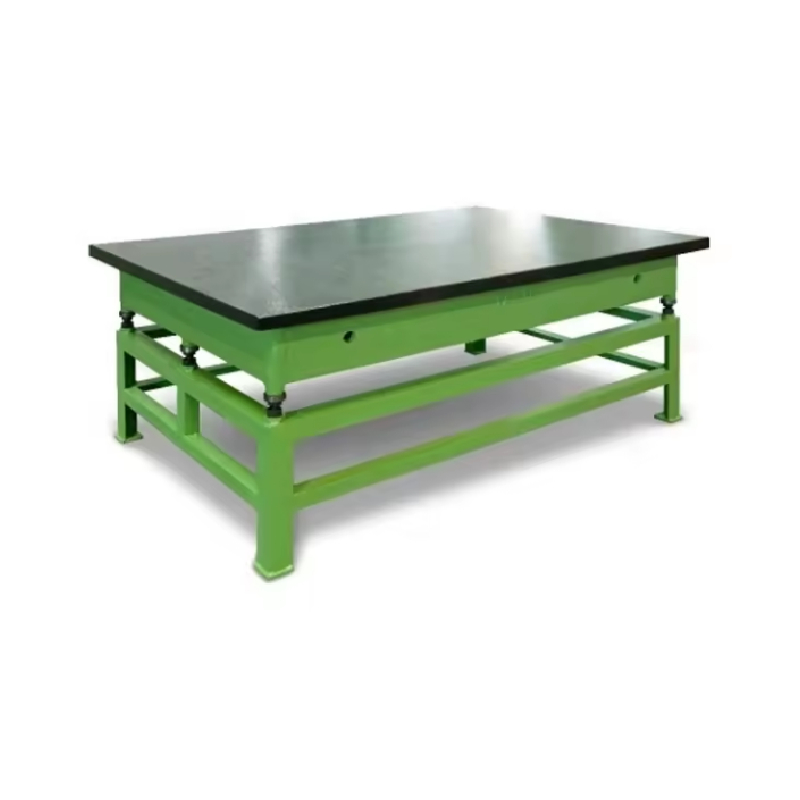
Versatile Welding Table for Efficient Workbench Solutions
The Importance of Welding Tables in Workshop Design Welding is an essential skill in various industr
Válvula de retenção de 6% para aplicações industriais e automotivas eficazes.
Válvulas de Retenção de 6% Importância e Aplicações As válvulas de retenção, também conhecidas como
Valvola filtro tipo y
La Valvola Strainer di Tipo Y Importanza e Funzionamento La valvola strainer di tipo Y è un componen
 English